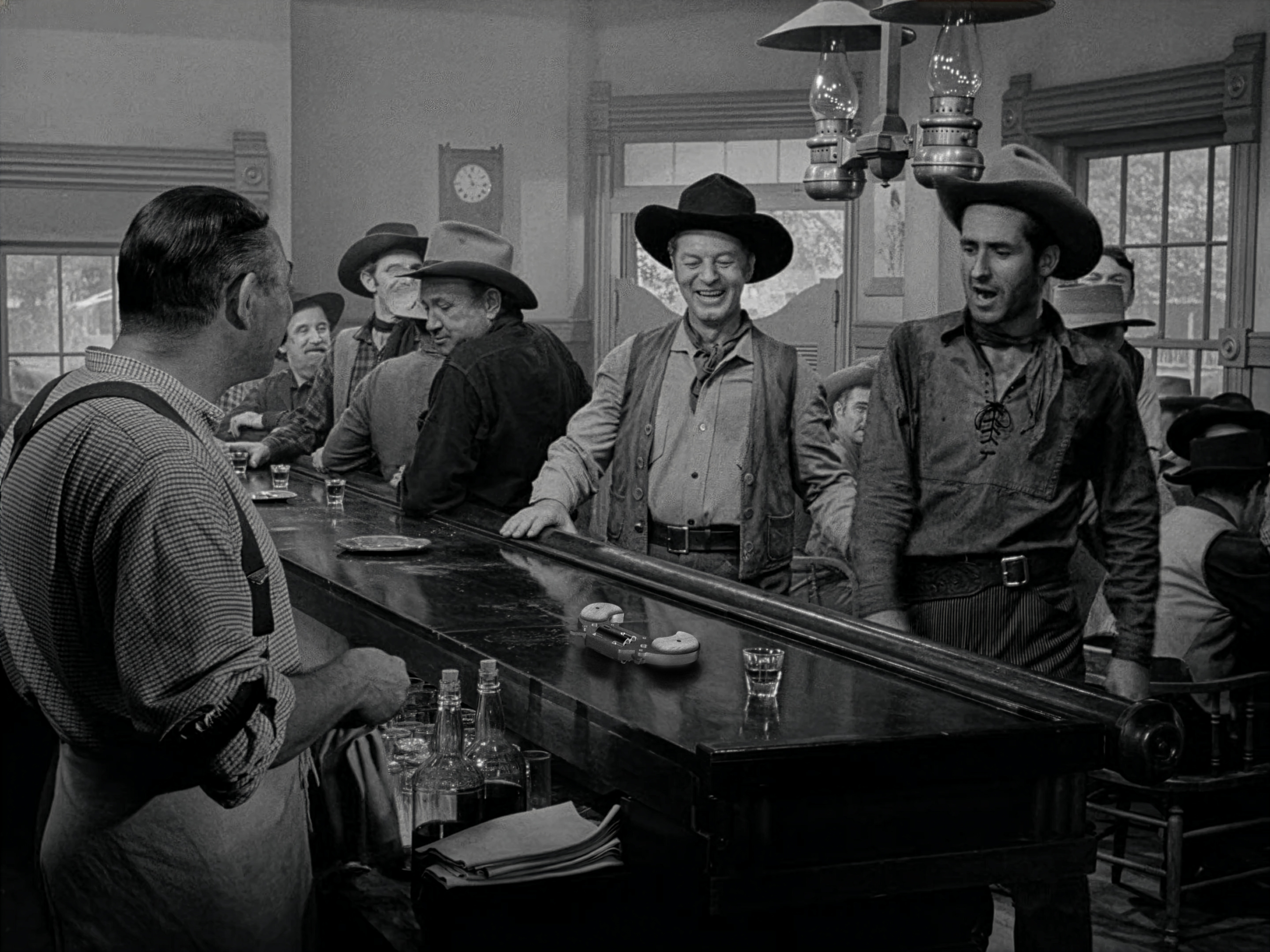
Cowpokes riding through the ghost town of an abandoned Western. Isolated cabin, solitary frames, staring out onto the flickering plains of a mythology fading to red. A crossroads. Two mediums, revolvers drawn, caught in a deadly standoff.
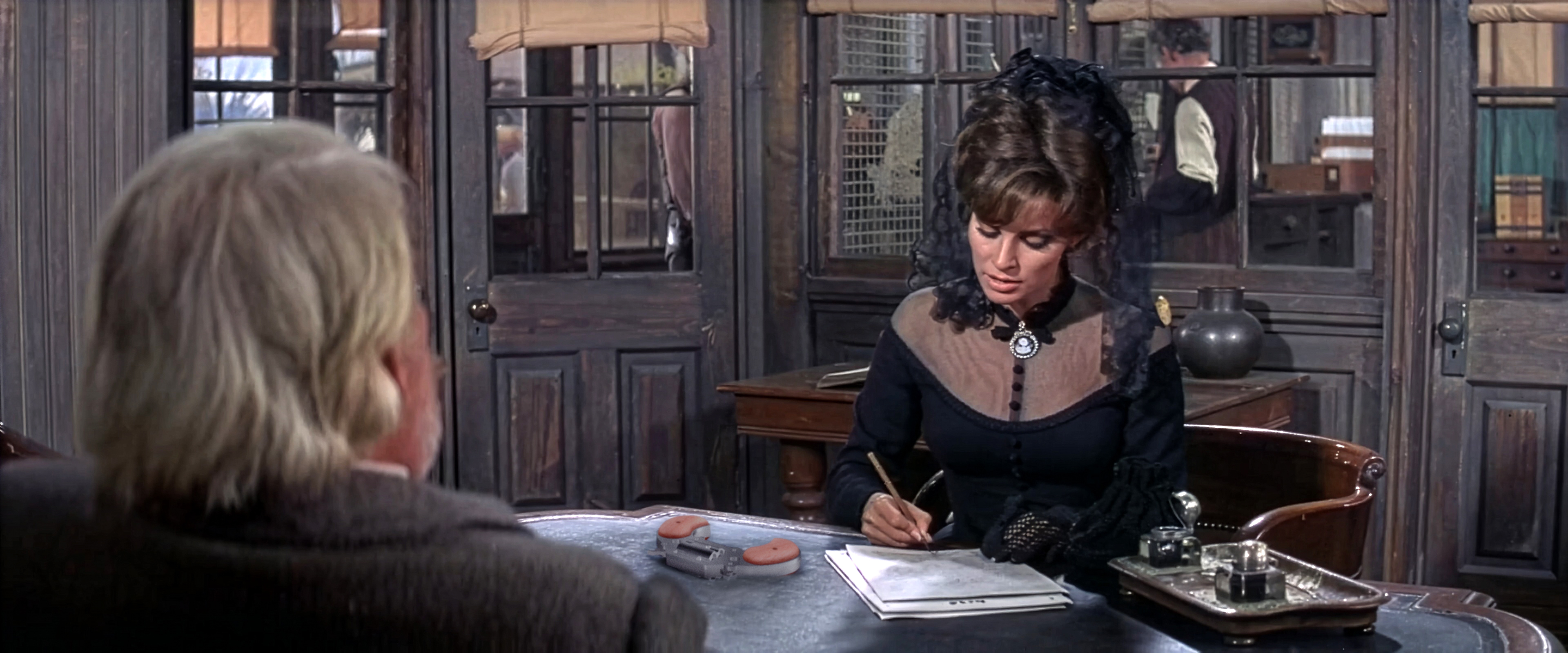
Playable Cinema is a research project exploring how artificial intelligence can ride the invisible frontier between cinema history and interactive gameplay. By using machine learning to analyze classical western cinema, the project constructs a generative database where fragments of film history and the streams of live gameplay bleed into one another; where the joystick becomes an editing tool for an infinite fever dream looping through the ghosts of cinematic history.
The project explores how hybrid strategies can emerge new curatorial methodologies as generative tools collaborate with humans in assembling the haunted archive of our shared hallucinations of the West.
- Douglas Edric Stanley, Project Lead, concept, design, development, production, documentation
- Faust Perillaud, Research Assistant, training & labelling, production, documentation, photography
- Guillaume Stagnaro, Cowpoke Controller development
- Colin Castellano, Wood construction consulting & production
- Anthony Masure, Dean of Research, IRAD, HEAD – Genève, HES-SO
- Christelle Granite-Noble, Administrative Coordination, IRAD, HEAD – Genève, HES-SO
- With assistance from: Valentin Dubois, HEAD – Genève, Head of Materials + Prototyping Pool, Alexandre Simian, Technician Wood Workshop, HEAD – Genève, Sébastien Pitteloud, Technician Wood Workshop, HEAD – Genève, Charles Cuccu, Régisseur HEAD – Genève
- Full process documentation + source code: github.com/abstractmachine/head-irad-playable-cinema
- Video demo: Dead Crossing (YouTube)
- Presentation: From Mimesis To Machine, Istituto Svizzero, 2025-11-27
Installation
Dead Crossing is the latest physical manifestation of the Playable Cinema research project. Inside of an unfinished wooden cabin, visitors explore the video game world of Red Dead Redemption 2. As they move through its three-dimensional virtual terrain, AI models synchronize their movements with shots echoing from the history of Western cinema.
Controller
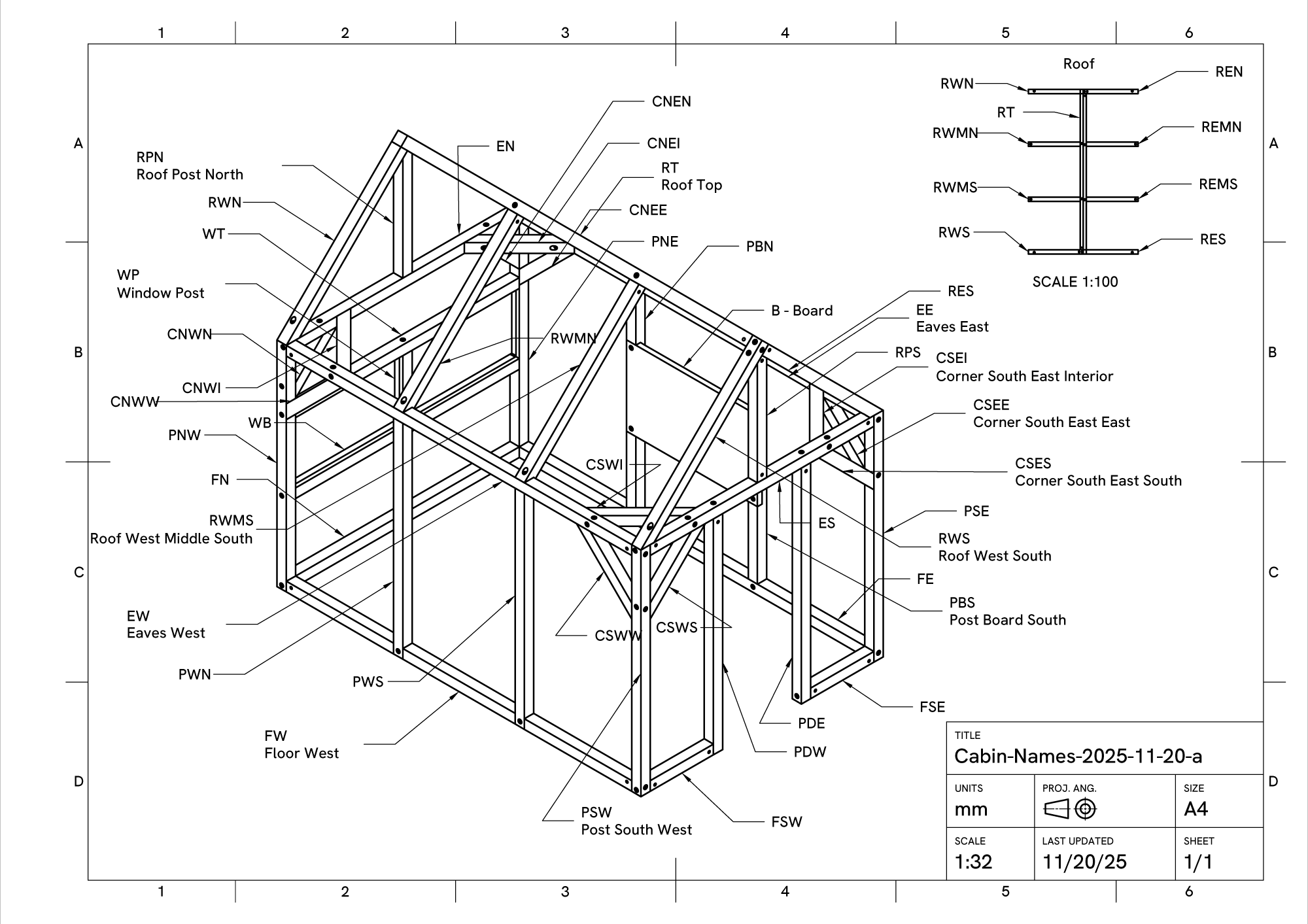
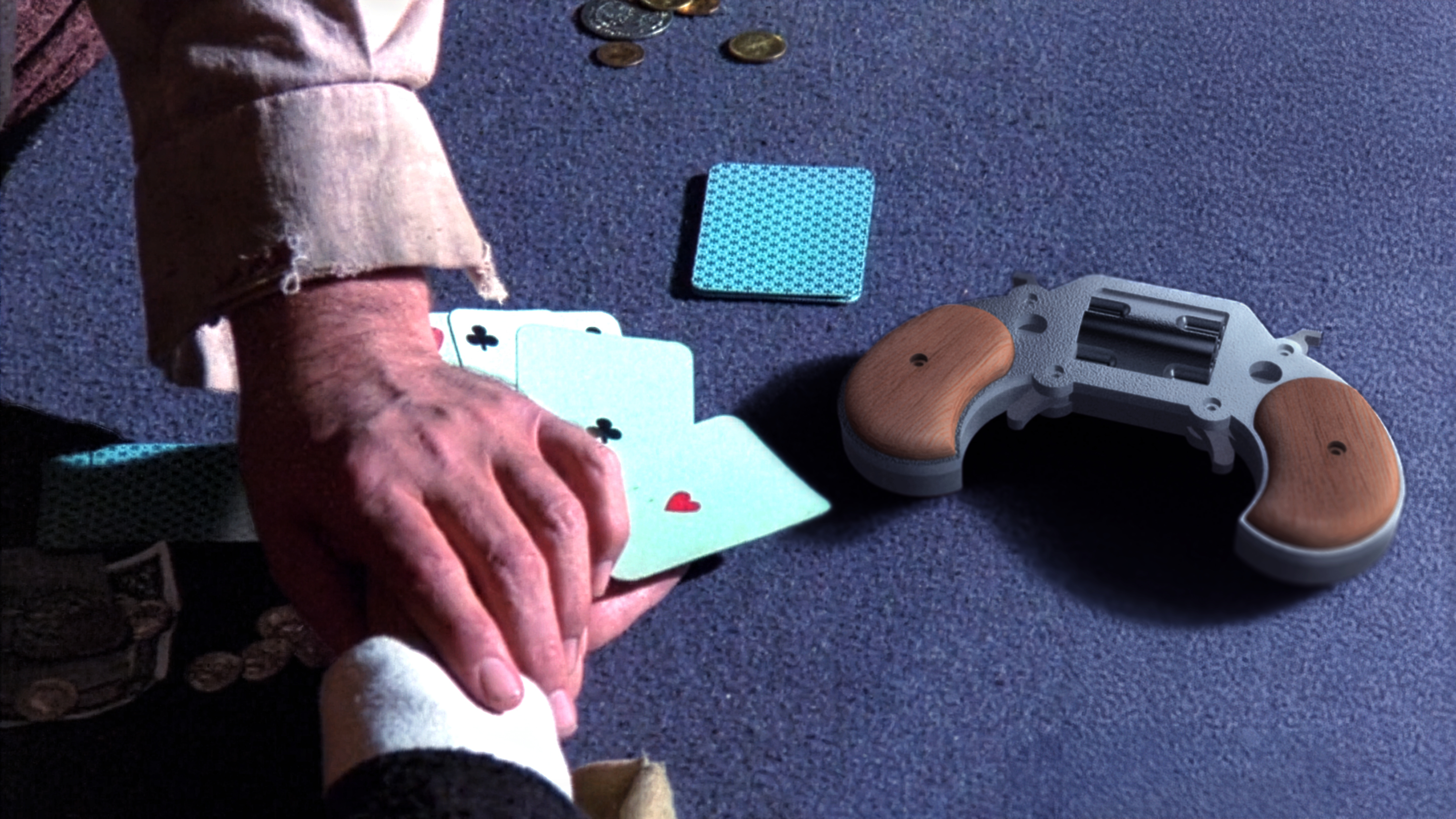
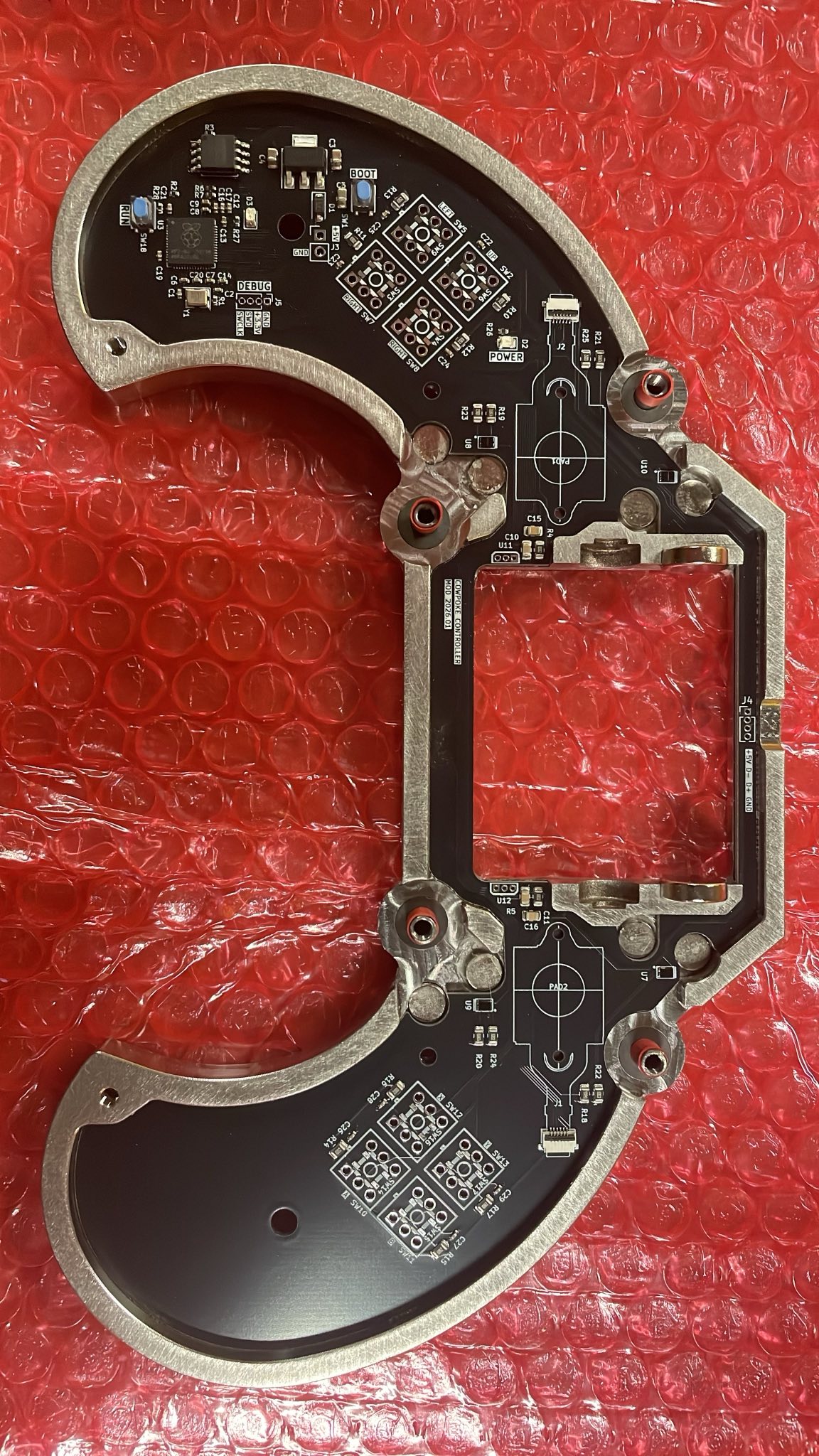
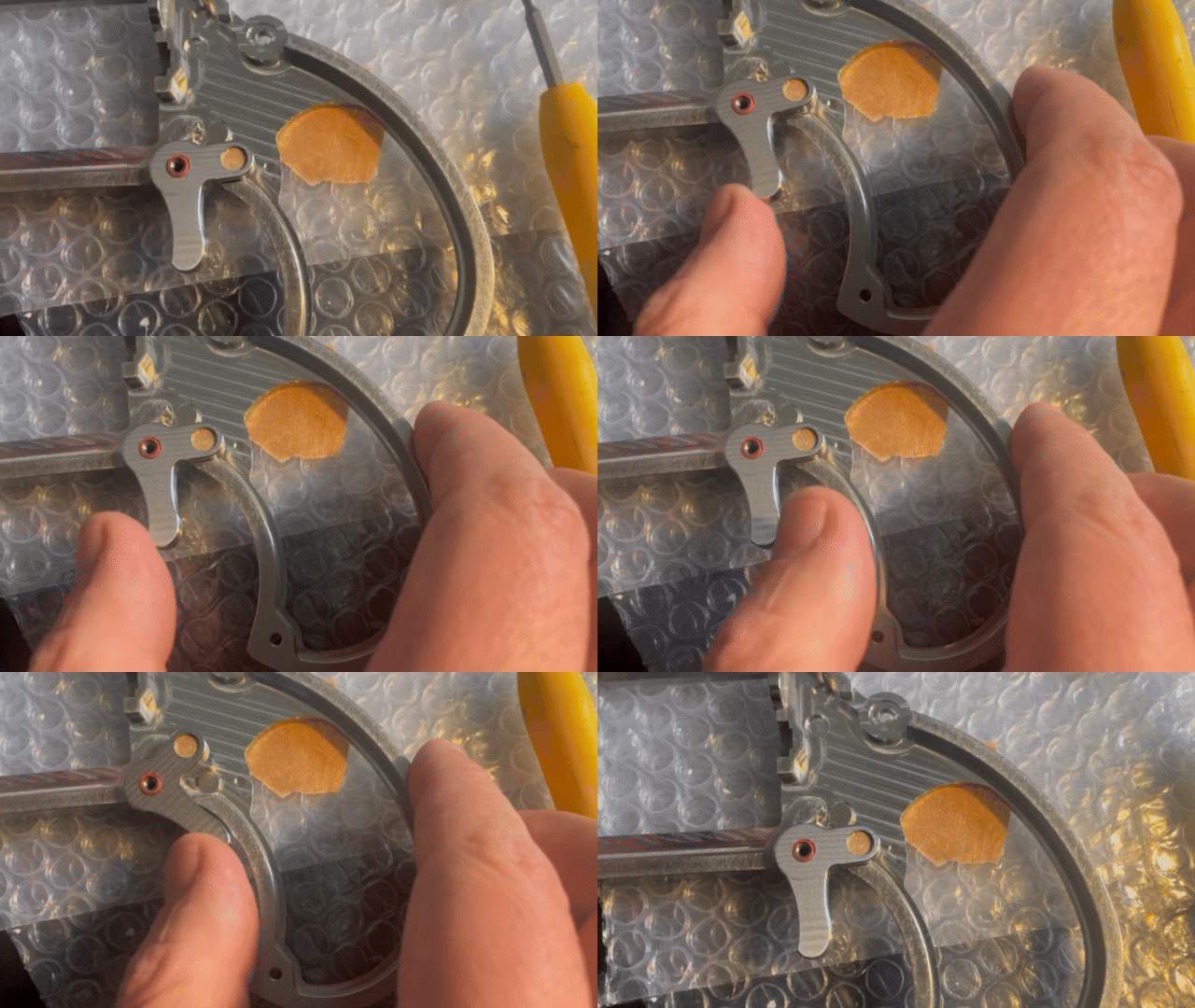
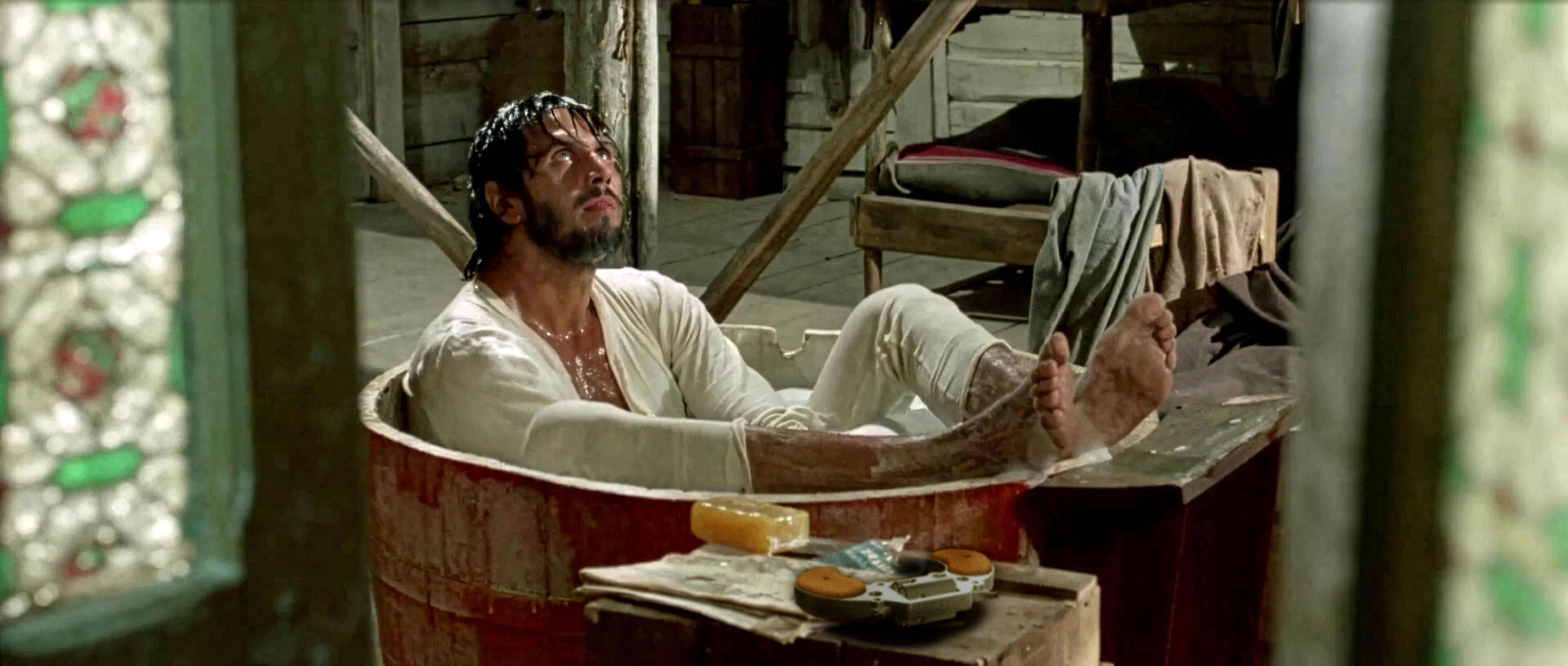
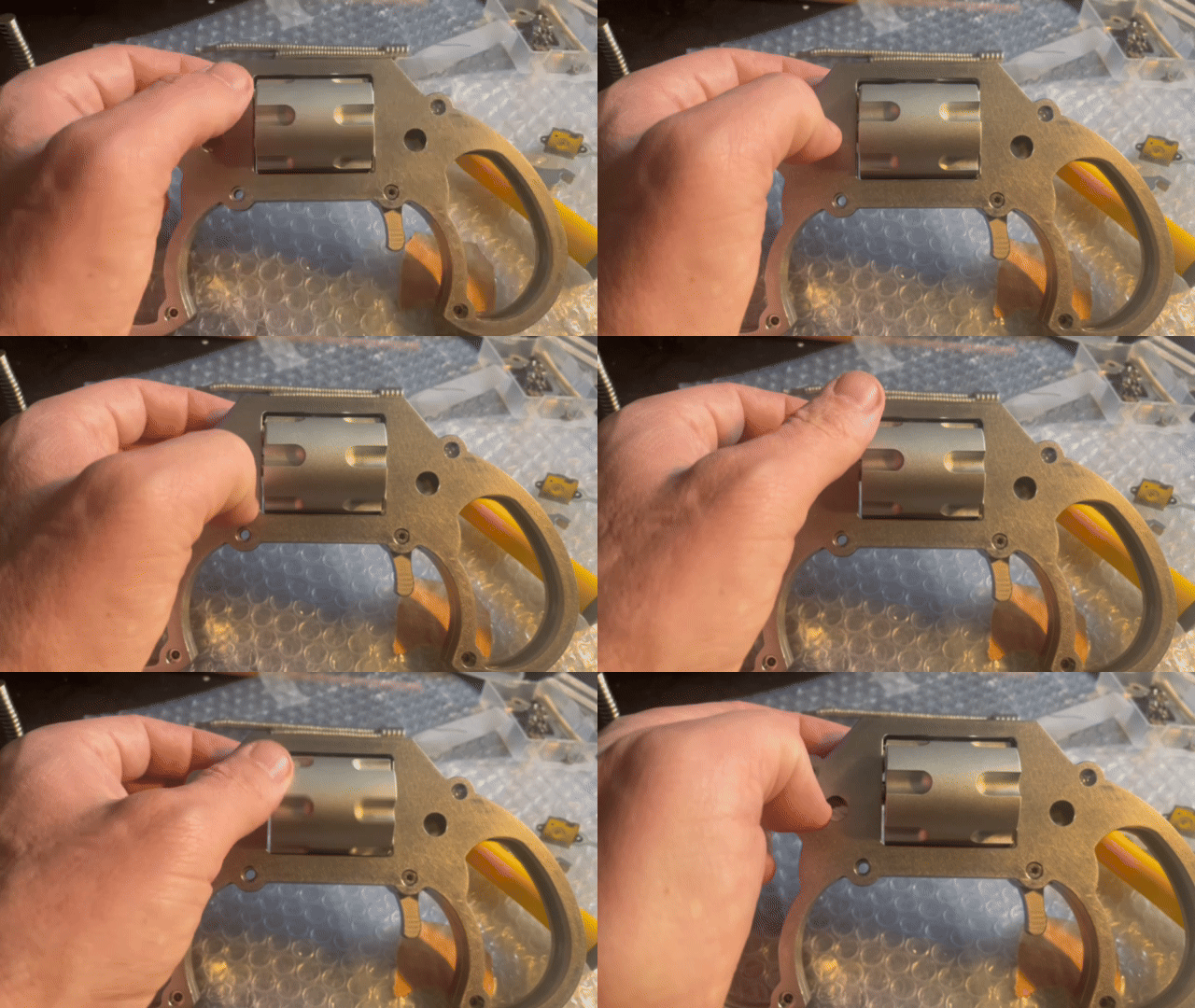
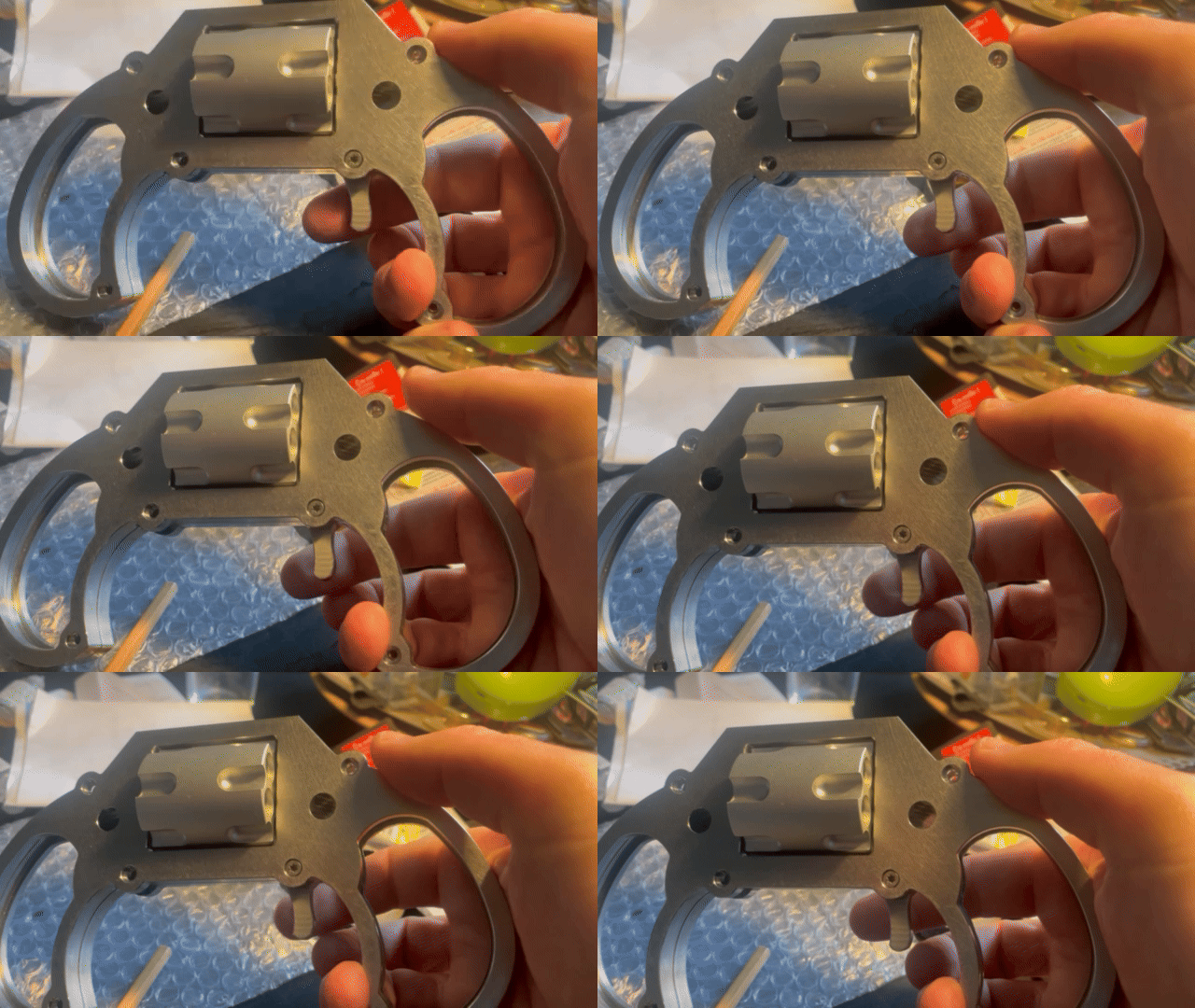
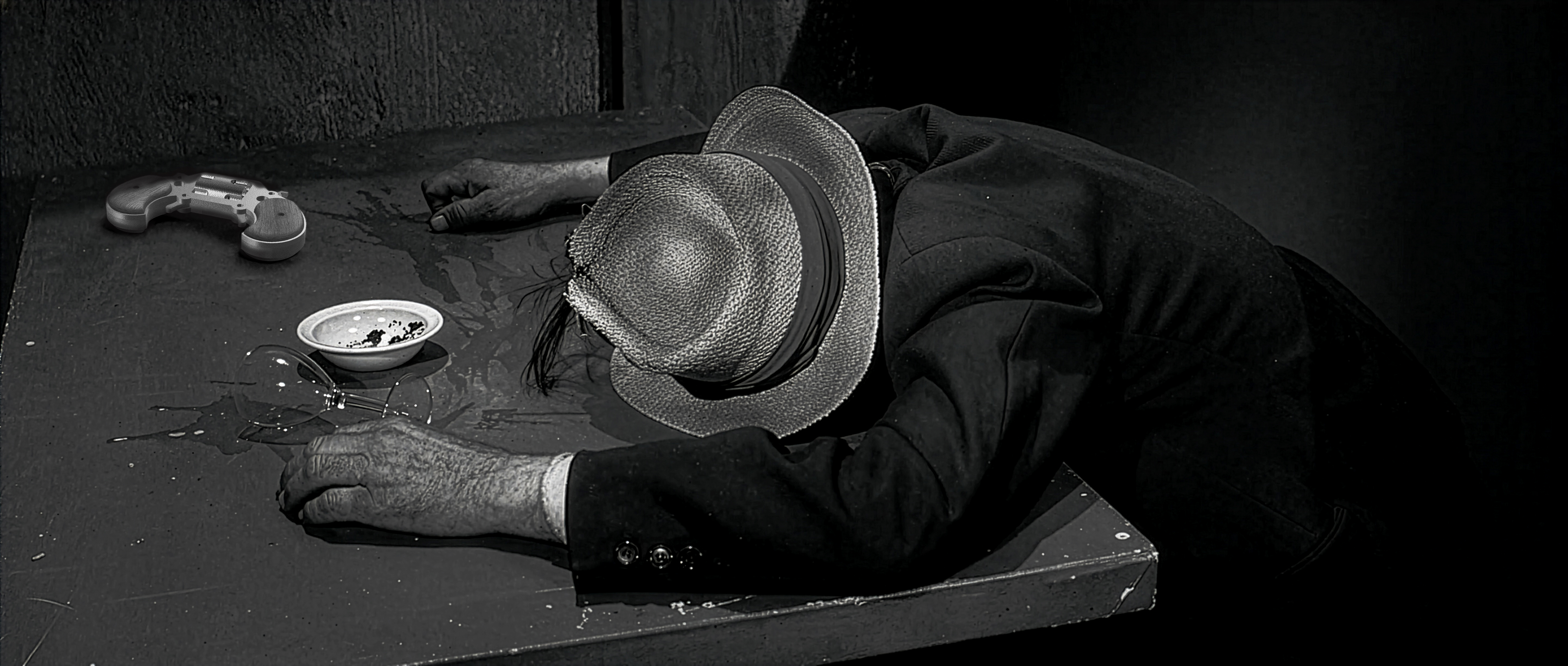
A physical game controller is currently in developement. This allows visitors to interact with the installation.
Software
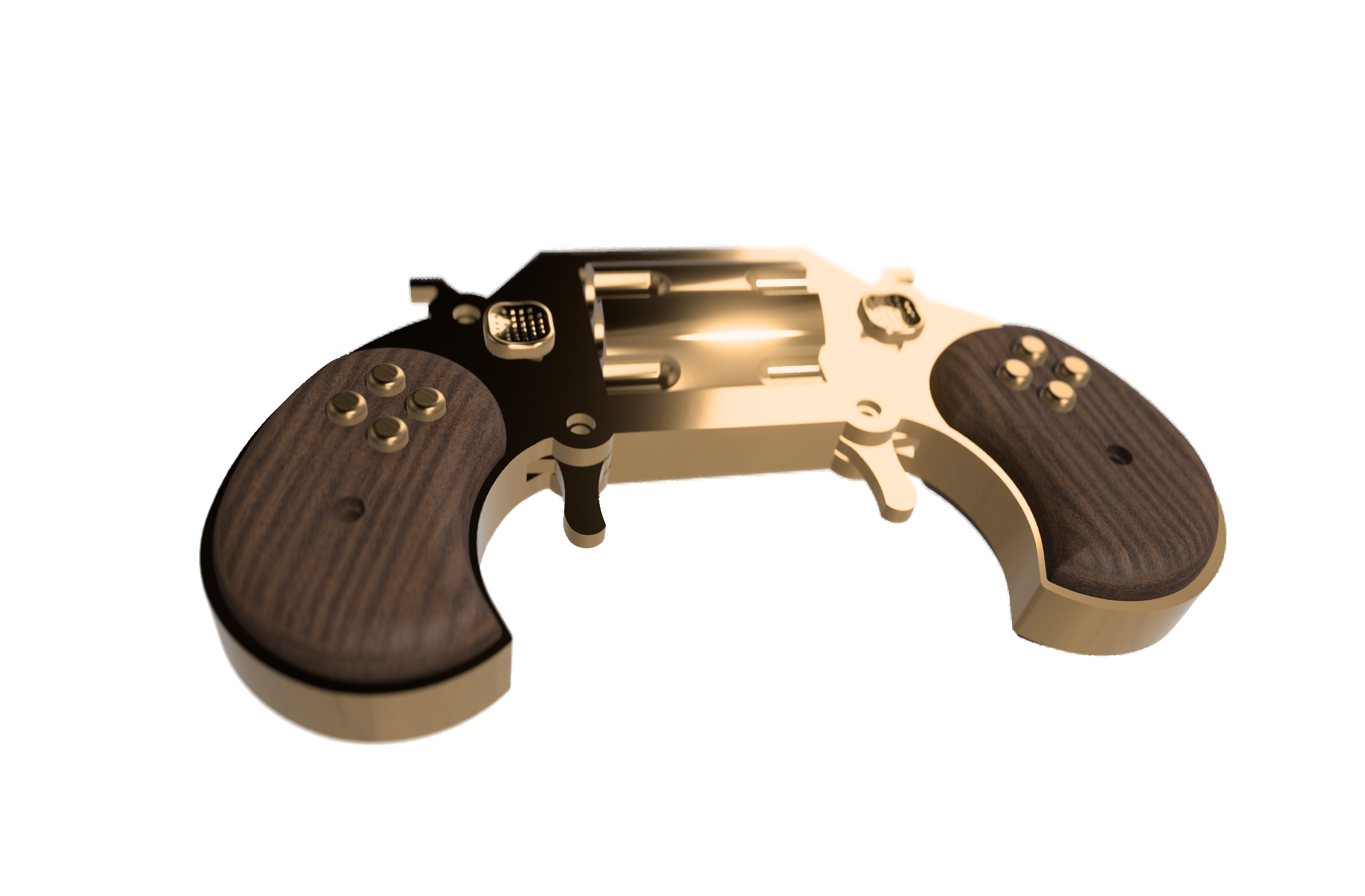
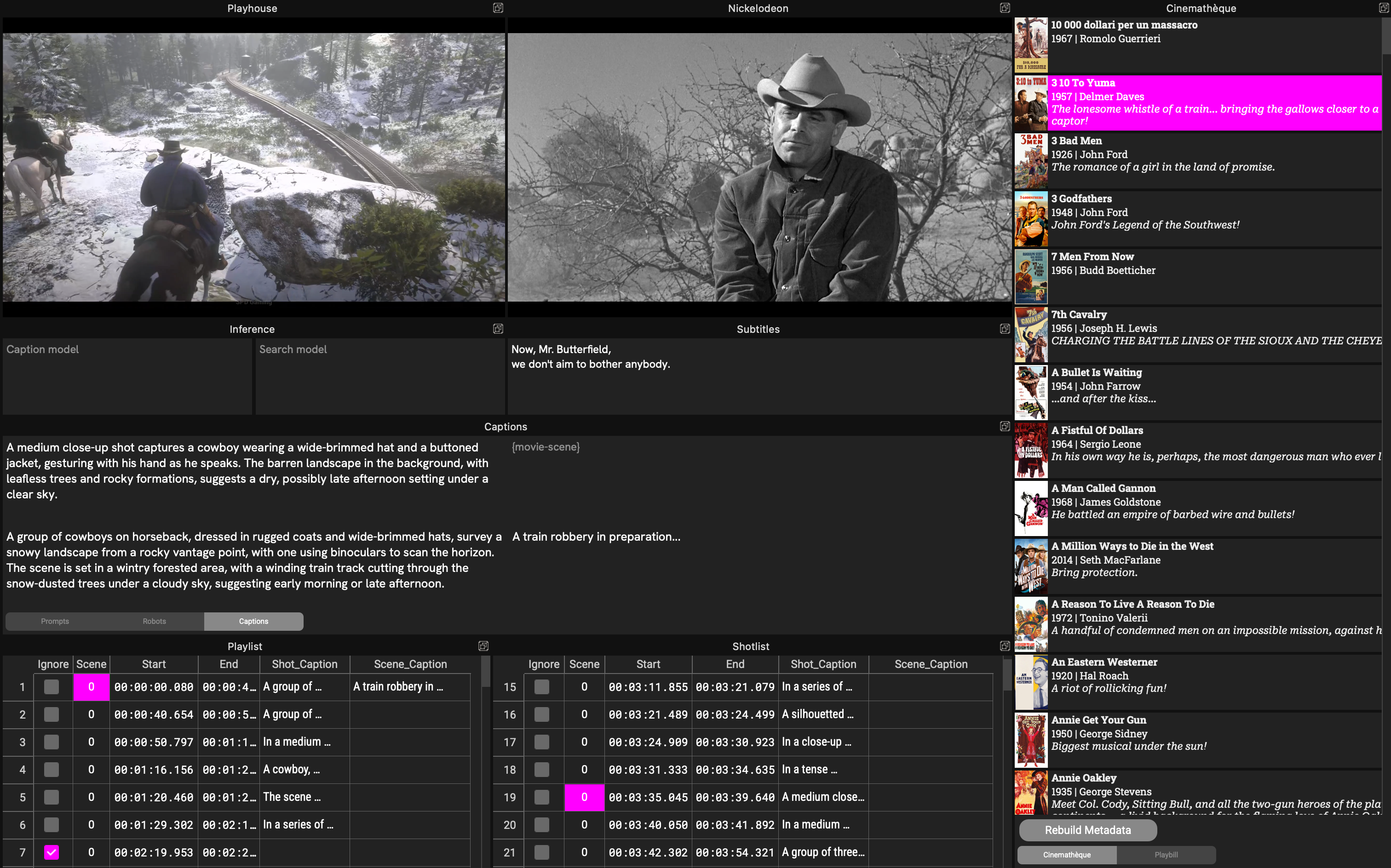
A training and playback tool is currently in development. This software syncs in real-time the gameplay coming out of the gaming console, and finds appropriate images from the massive database of western cinema imagery.
Demo
You can watch a short excerpt of the software analysing in real-time the gameplay, and synchronising these images with associated shots from historical western cinema.
Here is a scene tested live with gameplay of a train robbery:
And another sequence in the game where the player sneaks into a barn:
Cowpoke Cabin
The cowpoke cabin is the physical manifestation of the Playable Cinema project, and regroups all the various components into a single installation.
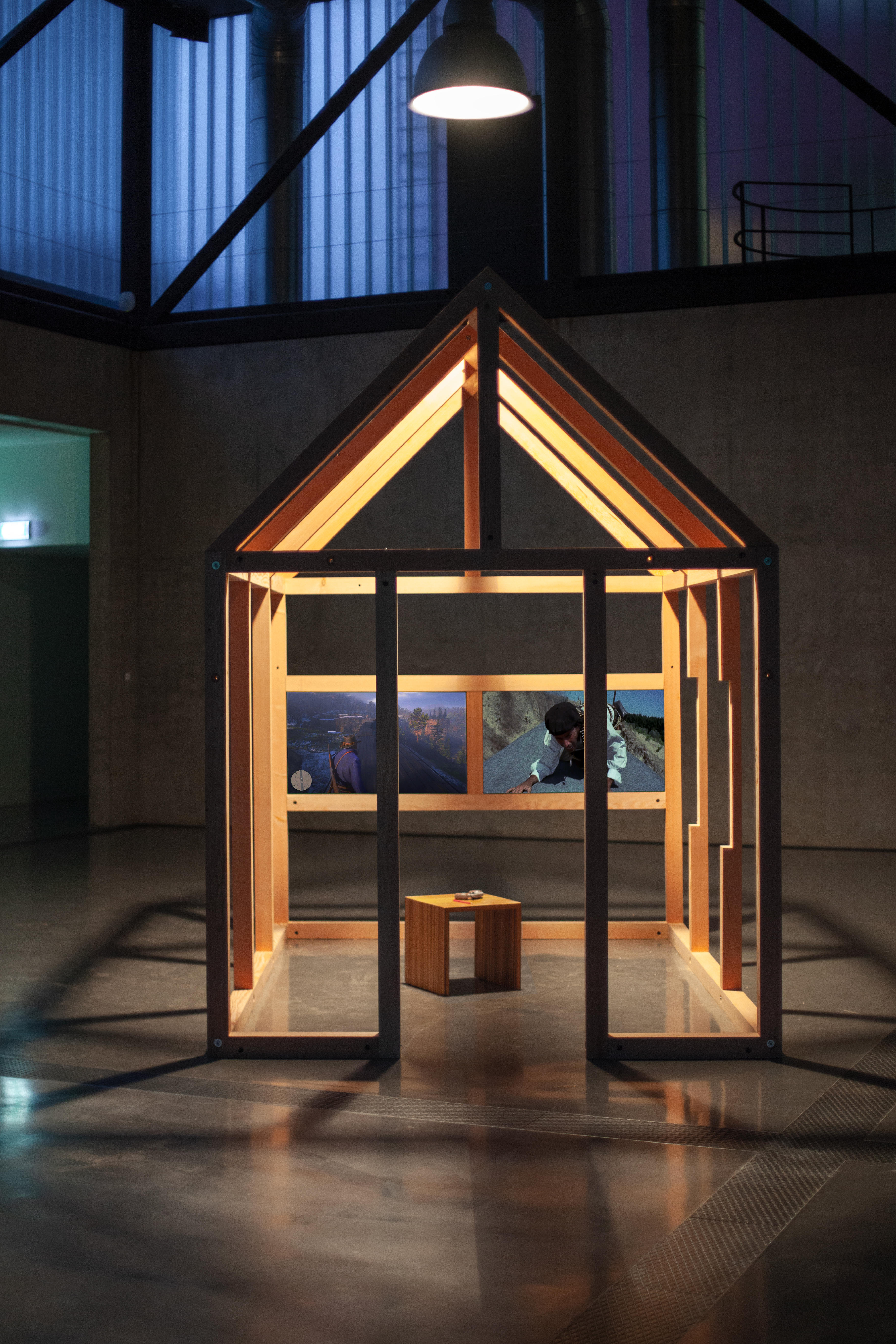
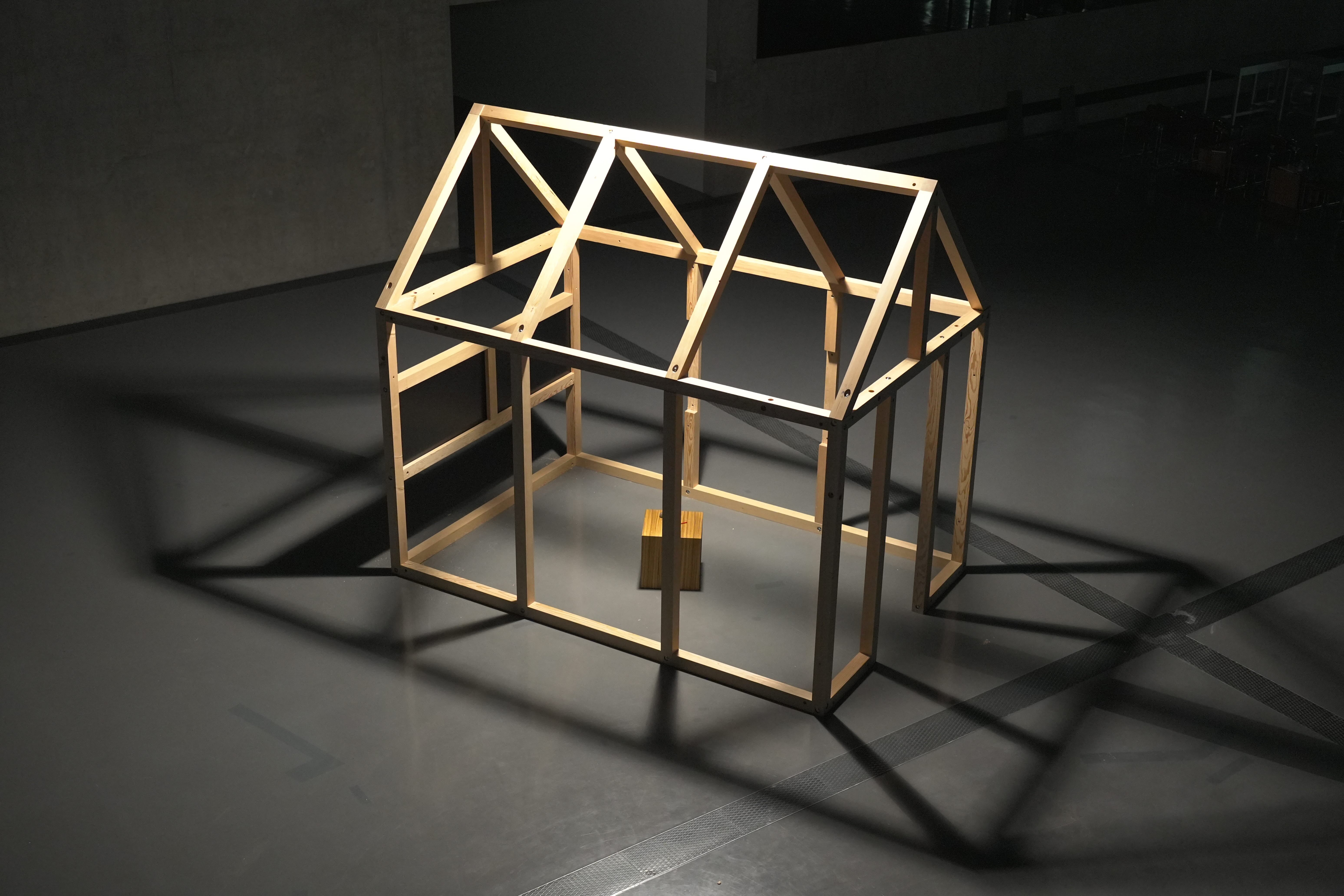
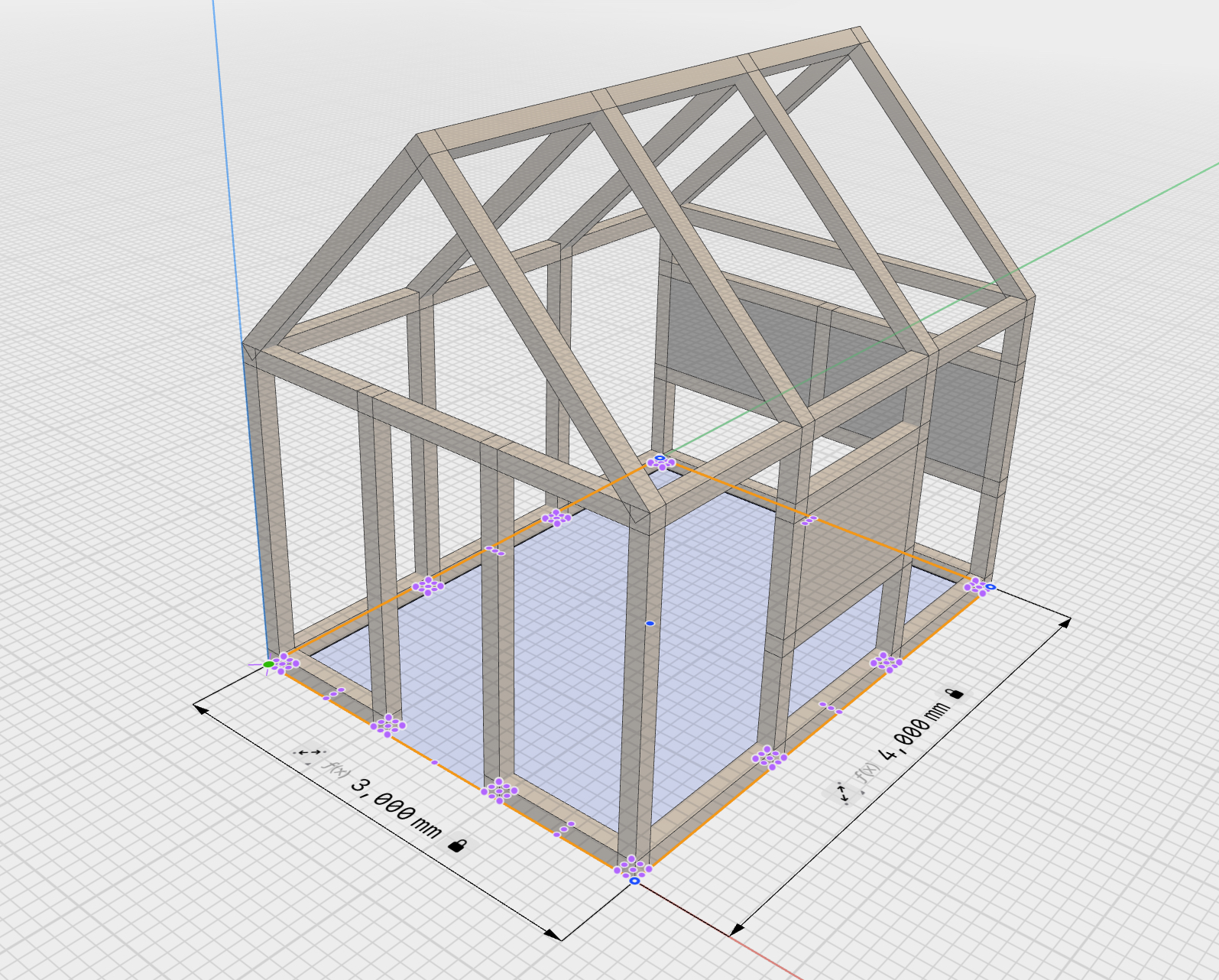
Photos by Douglas Edric Stanley & Faust Perillaud
Influences
In the conceptual mapping of this cabin, Douglas looked at several influences. Here are the main three:
Henry David Thoreau
Thoreau’s Walden cabin is the archetype we kept circling back to: minimal frame: a diagram of an autonomous lifestyle, albeit literary, open to dispute; a sort of myth that nevertheless continues to inspire those dreaming of autonomy. And yet it is not exactly the myth of solitude that we're exploring, but the cabin as an interface to mythology of freedom; a deliberately poetic environment designed to filter the individual's relation to the world and their idea of civilization. Thoreau constructed his cabin as a symbol of resistance from early industrial modernity; so too we borrow something of this gesture for our times, and time shaped by algorithmic systems mediating subjectivity.

The idea here is also to play with the figure of construction: exposed joinery, a readable structure, and a sense that the “house” is slightly too transparent to be an actual shelter. It is a “frame” (Gestell).
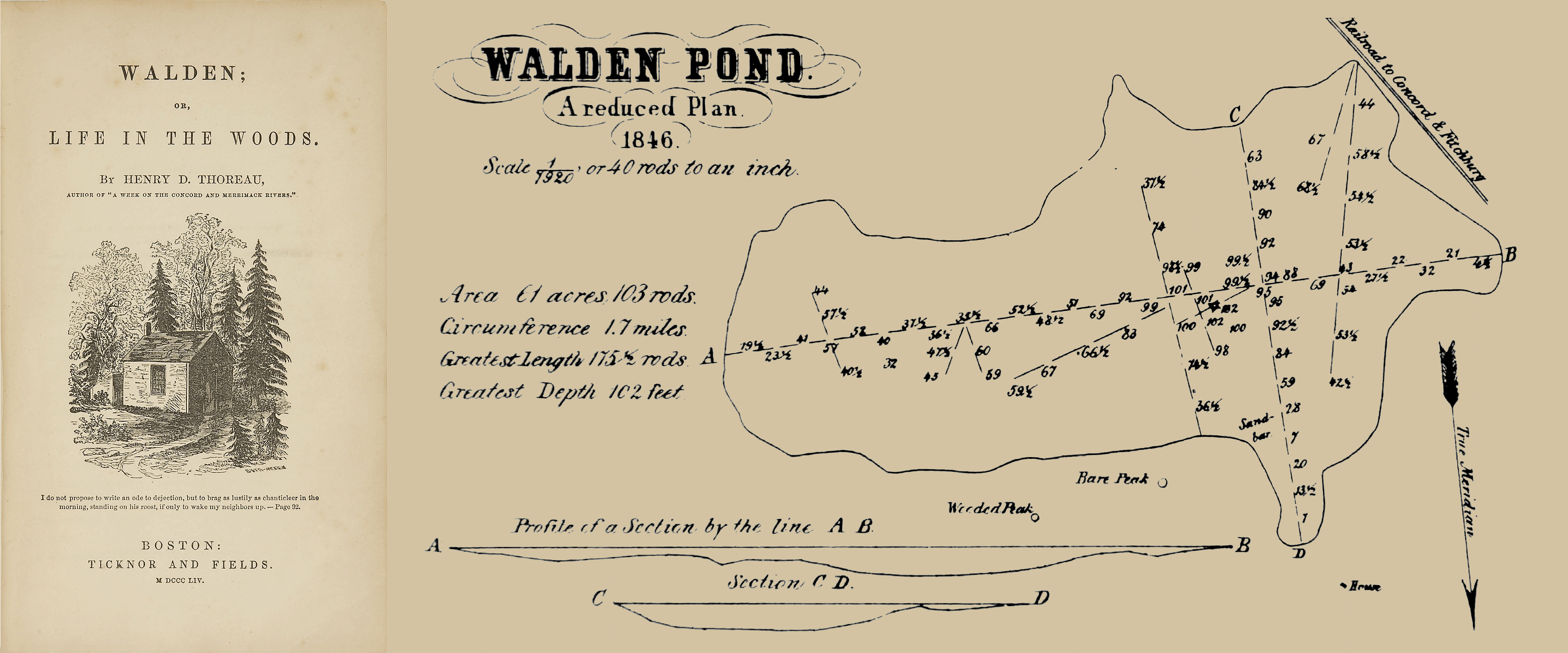
Thoreau, Henry David. Walden, and On The Duty Of Civil Disobedience. Ticknor and Fields, 1854.
The Unabomber
The Ted Kaczynski cabin is in many aspects a more contemporary nod to Thoreau’s dream of an autonomous life as a form of civil disobedience — updated for an era of technological systems of control. This cabin positions itself at the farthest possible extremity of a growing “Technological Society”. It is the paranoiac extreme of a form of technological dread that grows yet again strong as “artificial intelligence” spreads its tentacles into the smallest corners of our human experience.

Richard Barnes, Unabomber Cabin, 1998
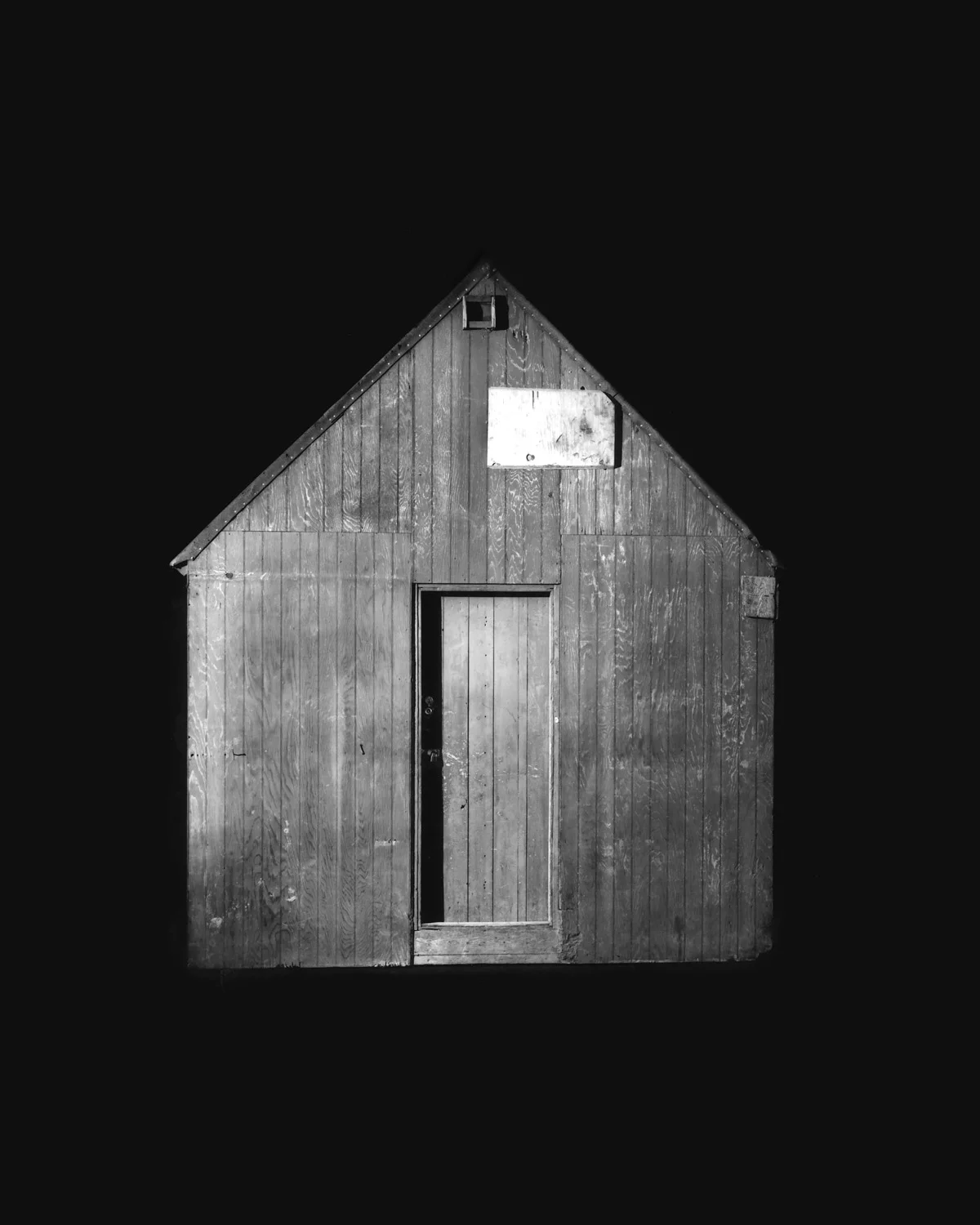
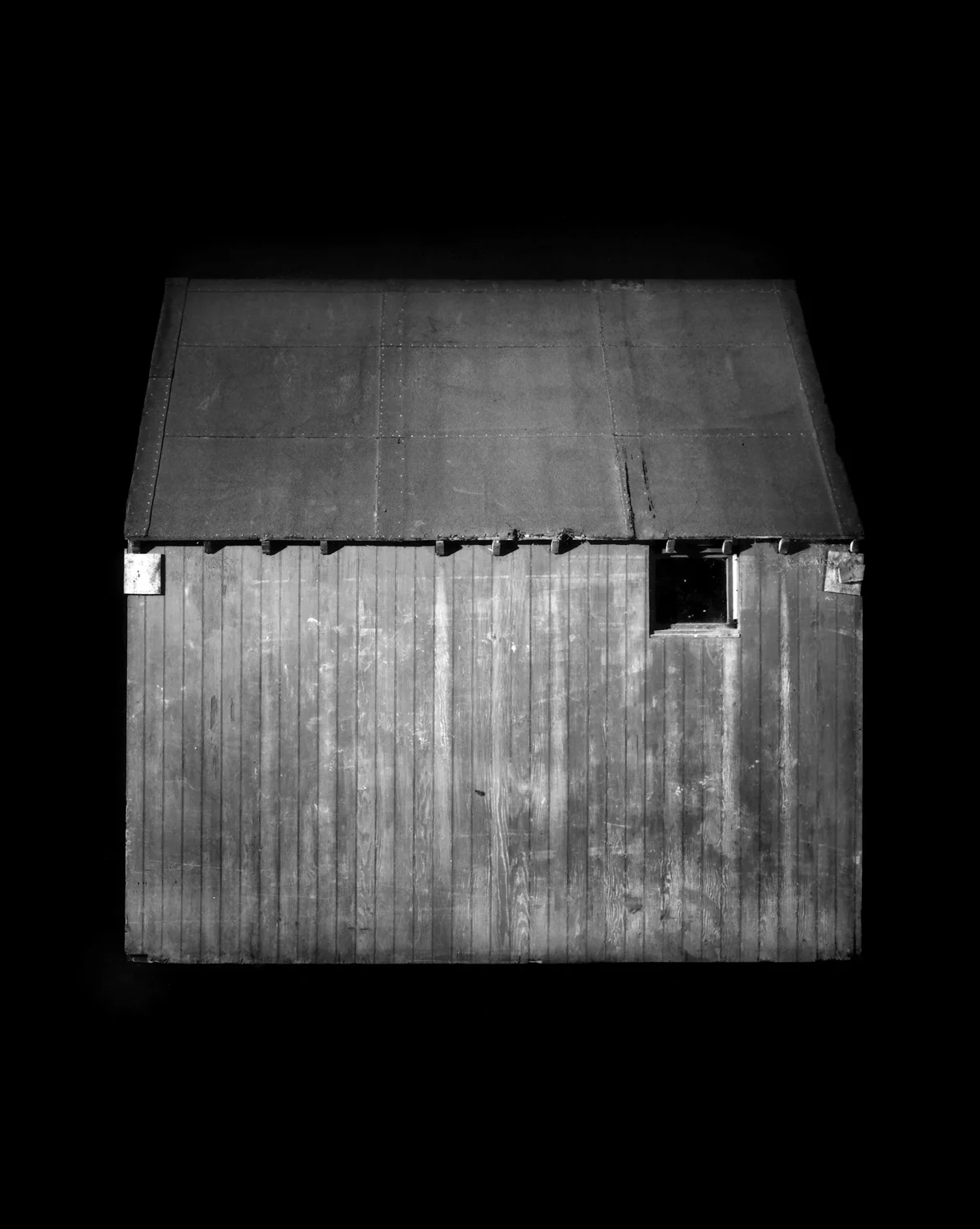

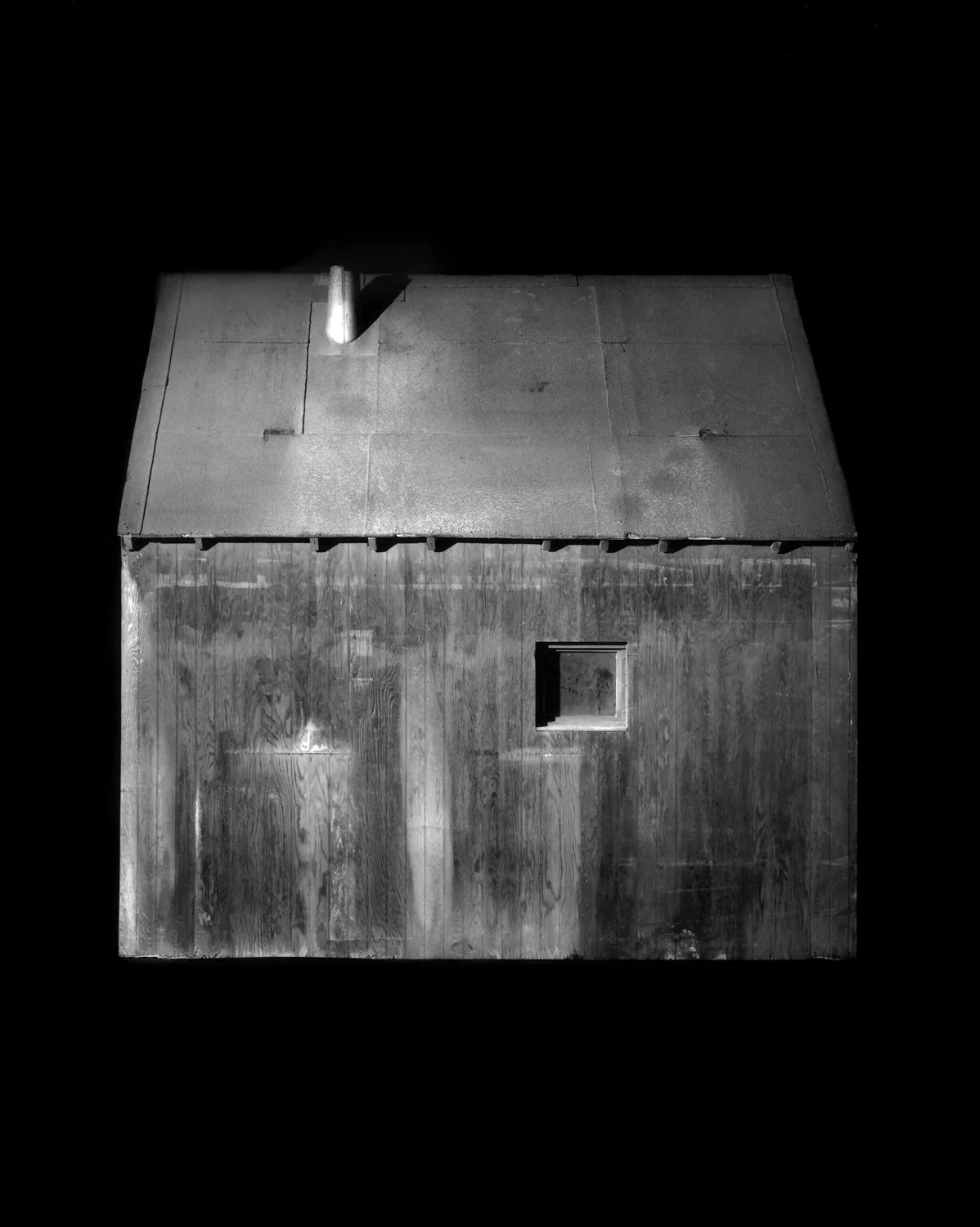
Richard Barnes, Unabomber Cabin - Exhibits A, B, C & D, 1998
Technical note: given Kaczynski’s background in mathematics, it is perhaps no accident that the taller roof shape of the Unabomber Cabin comes from the fact that the angle of the resulting triangle is 90°. We have used the same logic in our drawing of the cabin.
Dogville
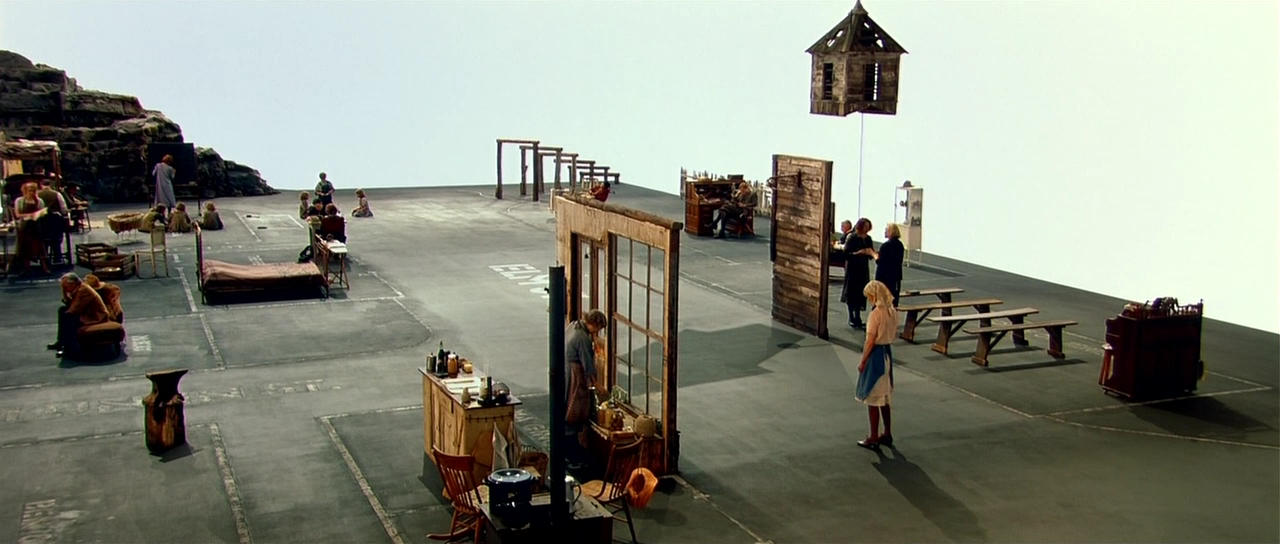
Dogville Set Design, 2003. Cf. Dogville Prologue
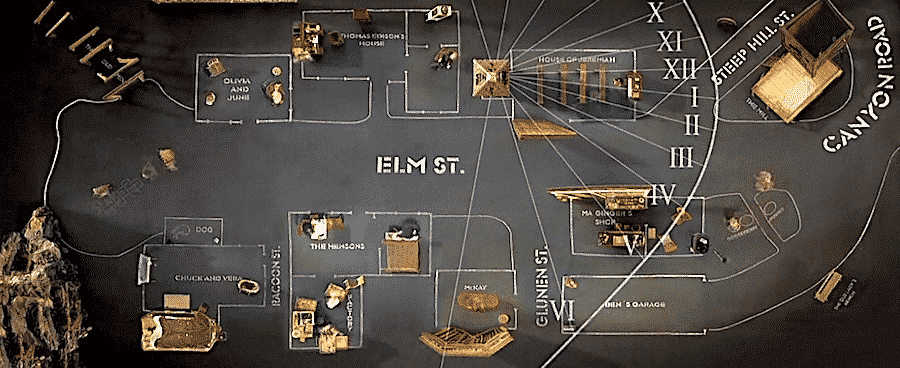
The staging device of this film is genius, and allowed Lars von Trier to re-introduce the medium-specific artifice of theatrical scenography, storytelling, and also immersion into his cinematographic process. In each scene, the actor is “inside” of a specific space, but also, at all times, positioned within the larger social habitus of the village community.
The idea for our own installation is that as the visitor/player sits inside of the structure, they transform into an integral, sculptural, part of the installation. They are part of the spectacle, visible from all sides, almost like a portrait subject being sketched from all sides by a class of portrait painters: portrait of a person sitting in a cabin, staring out the window onto a {virtual} landscape.
But inversely, the same experience also allows another perspective: that of sitting inside of the cabin, interacting with the landscape via the interactive game controller, and looking out into a near-infinite plane of possible views, perspectives, and actions constructed by both the 360° game landscape, and all of the associated images found within the database of historical westerns. Here too, what we might call an “unfinished” structure is in fact more precisely an “open” structure, suggesting as a sort of echo of the 3D-wireframe “structure” that makes all virtual 3D spaces possible: players are “inside” of a “possible” architecture, and the landscape it paints is visible from inside the cabin, through the window portal screens.
Maker Stuff
These are some books and design projects that have inspired us in the design and construction of this cabin.

The Joinery Compendium
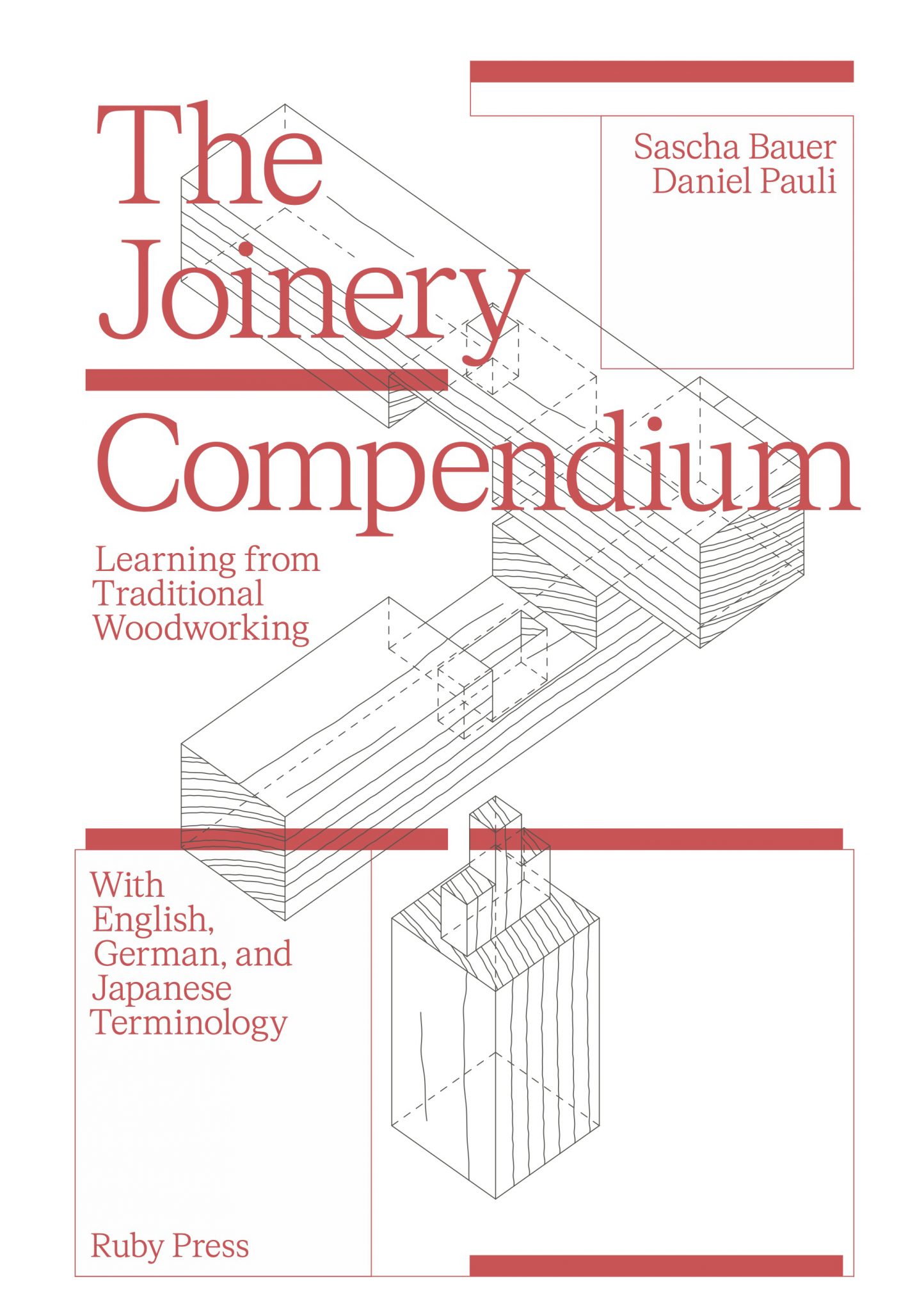
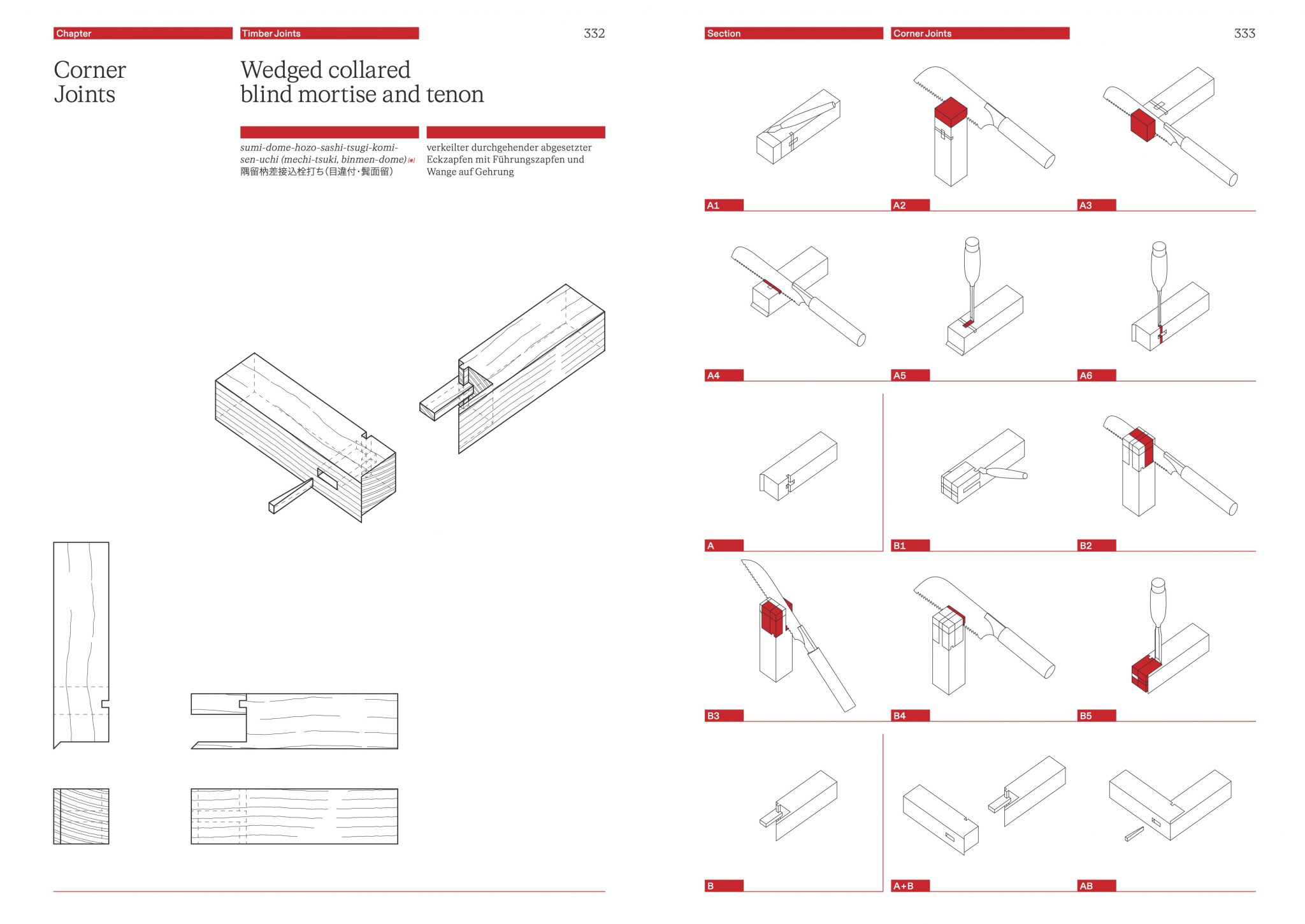
Sascha Bower & Daniel Pauli, The Joinery Compendium: Learning From Traditional Woodworking, 2024
U-Joints
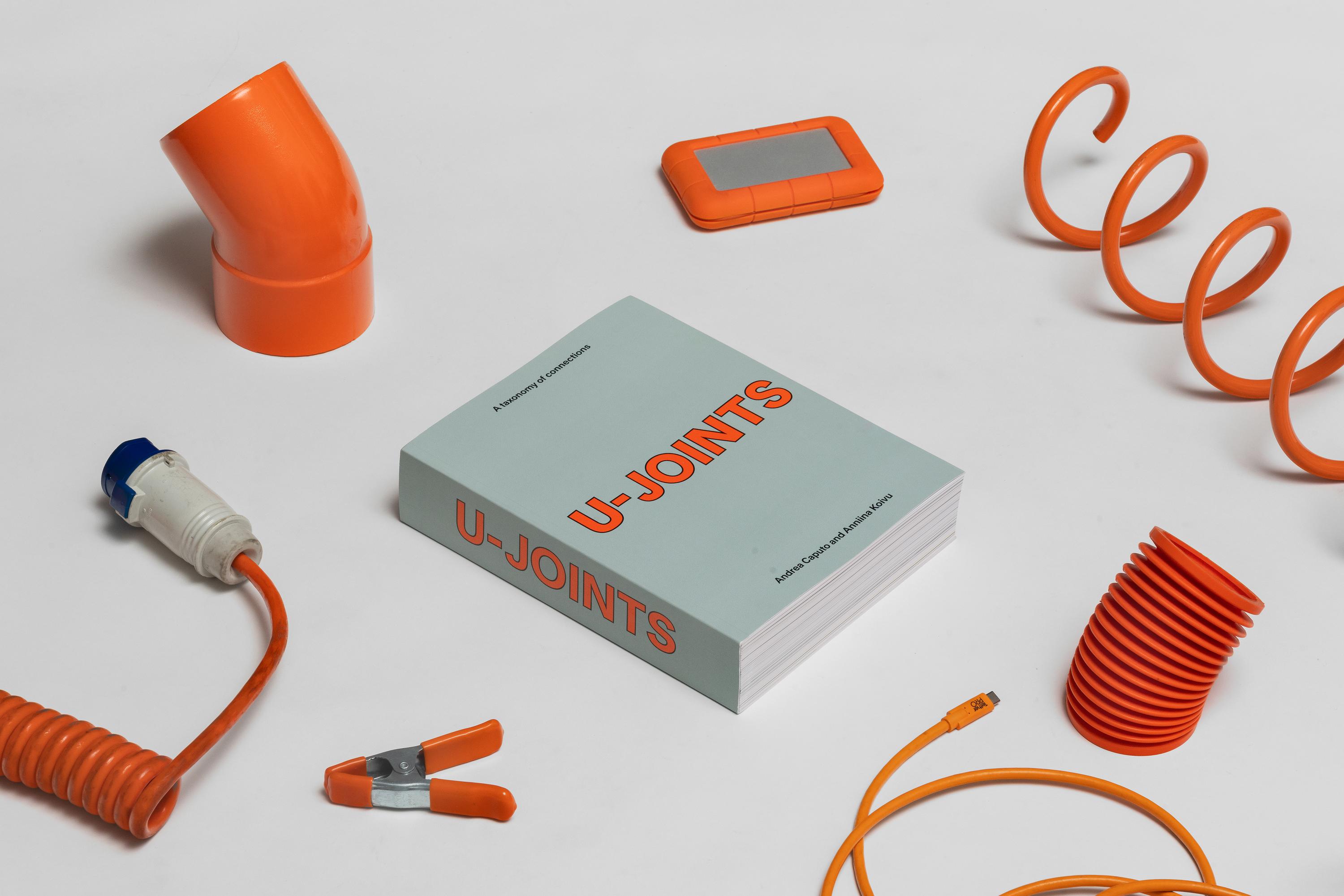
Andrea Caputo, Anniina Koivu; U-Joints: A taxonomy of connections, 2022
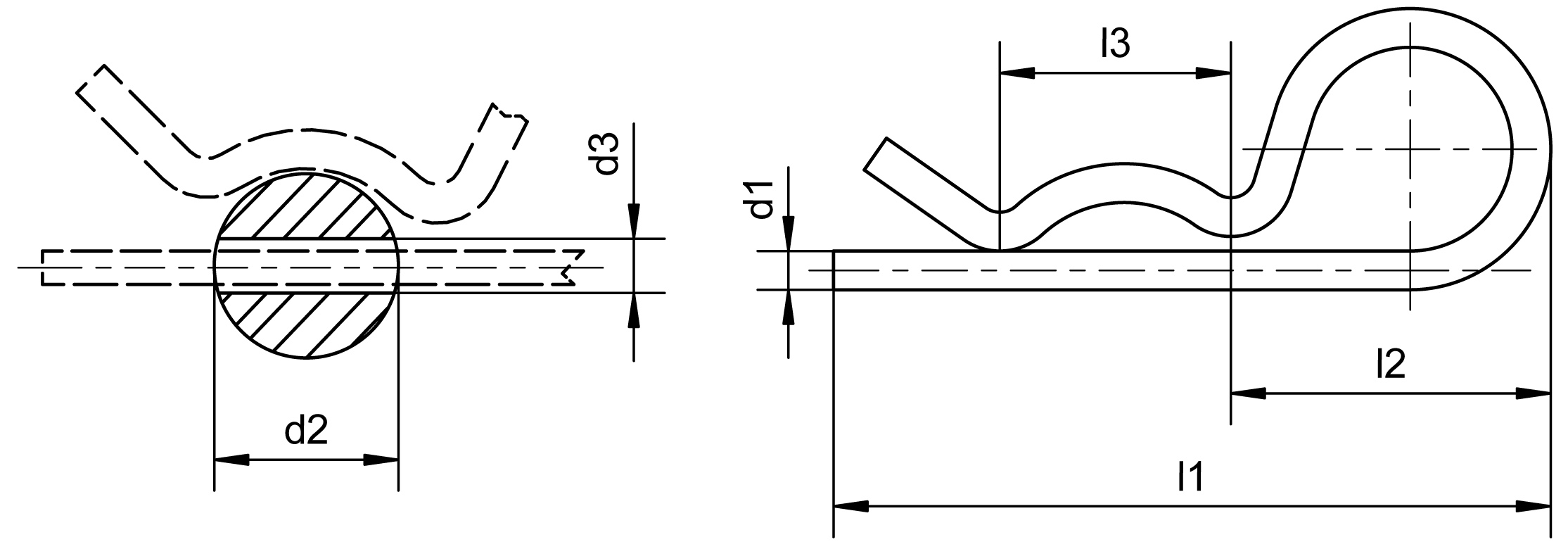
In the book U-Joints there are many interesting joints that helped us create our simple but modular structural assembly system for the structure, as well as smaller joints that help with cable management, the design of our color-coding system, and joints such as the R-Type Split Pin that will help us for the mounting of the television monitors.
.png)
Enzo Mari


We were also influenced by the “windor chair” proposed by Erik Eje Almqvist in his addition/extension of the Mari furniture project.
Erik Eje Almqvist, [Hammer and Nail: Making And Assembling Furniture Designs Inspired By Enzo Mari](), 2025
Construction
[Faust Perillaud]() and Douglas Edric Stanley constructed this cabin under the direction and collaboration of Colin Castellano over the last two weeks of November 2025. Photographic documentation of this cabin took place from December 1 to 3, 2025 with assembly assistance from Faust Perillaud, Charles Cuccu, Chakir Ali, and Esther Rivas.
Blueprints
Blueprints to build the cabin can be found in this folder at: head-irad-playable-cinema/hardware/cowpoke-cabin